An Extensive Look at the Difficulties and Advantages of Modern Farming
Modern farming stands at the crossroads of innovation and sustainability, providing a wide variety of opportunities and challenges. With developments like precision farming and biotechnology appealing improved efficiency, the industry all at once faces crucial issues such as environmental deterioration and socio-economic variations. As we check out the complex balance between technological development and its wider influences, the inquiry emerges: can we accomplish a sustainable future that benefits both the environment and farming areas? The course onward demands a careful evaluation of these dynamics, welcoming stakeholders to take into consideration the capacity for transformative modification in agricultural practices and plans.
Technical Developments in Farming
Technical improvements in farming have reinvented the agricultural field, driving enhanced performance and effectiveness. Innovations such as accuracy biotechnology, automation, and agriculture have changed conventional farming methods, permitting even more rewarding and sustainable procedures. Accuracy farming utilizes GPS technology, sensing units, and data analytics to optimize field-level administration relating to crop farming. This technique allows farmers to use inputs like water, fertilizers, and chemicals extra deliberately, decreasing waste and reducing prices while enhancing yields.
Automation in farming has better pushed the sector forward, with the introduction of autonomous tractors, drones, and robotics. These innovations decrease labor needs and increase operational speed, enabling for prompt planting and harvesting. Drones, specifically, supply beneficial airborne images and information, assisting farmers in keeping an eye on crop health and wellness and finding issues early.
Biotechnology has actually also played a critical function ahead of time agricultural techniques. Genetically customized organisms (GMOs) have actually been established to enhance plant resistance to parasites and conditions, minimize reliance on chemical treatments, and boost dietary material. This innovation contributes to food safety and security and meets the needs of an expanding global populace. Jointly, these technical improvements have laid the groundwork for a more resilient and sustainable farming future.
Environmental Difficulties
Farming faces a number of ecological challenges that endanger its sustainability and performance. The lasting practicality of farming land is endangered, necessitating the adoption of even more lasting techniques.
Water scarcity is another substantial obstacle, especially in regions where agriculture heavily relies upon watering. Climate modification is heightening this concern, changing rainfall patterns and enhancing the regularity of dry spells. Effective water administration systems, such as drip irrigation and rain harvesting, are crucial to reduce these results, yet their execution continues to be irregular throughout various areas.
Additionally, agriculture is both a factor and a sufferer to environment modification. Addressing these ecological challenges is essential for making sure a sustainable farming future.
Economic Influences
The economic influences of modern-day farming are complex and profound, influencing both regional and international markets. Developments in modern technology and production methods have substantially raised agricultural productivity, leading to a lot more reliable food supply chains and decreased expenses for customers.
However, these advantages are not without challenges. The capital-intensive nature of contemporary agriculture needs considerable investment in equipment, fertilizers, and genetically changed seeds, which can be monetarily burdensome for small farmers. This frequently results in raised debt and economic vulnerability, possibly bring about the loan consolidation of farms and the loss of rural livelihoods. Additionally, global market variations can influence the productivity of farming exports, making economic climates reliant on agriculture prone to economic instability.
Furthermore, aids and trade plans in developed countries can distort market value, affecting affordable balance and possibly disadvantaging farmers in establishing nations. In general, while modern-day farming drives economic growth, it also demands navigating complicated economic landscapes to make sure equitable and sustainable development.
Social Effects
While modern agriculture has brought around substantial innovations, it also presents various social implications that call for factor to consider. As company farming entities significantly control the farming landscape, smaller visit this site sized ranches frequently have a hard time to contend, leading to the disintegration of country neighborhoods and typical farming practices.

Such methods might likewise limit consumer choices and reduce the capacity of regional areas to manage their food sources. As these social implications unfold, it becomes essential to address them to make sure fair and sustainable agricultural growth.
Future Instructions
Looking in advance, numerous encouraging opportunities for modern-day farming can deal with the challenges faced today while cultivating sustainable development. Breakthroughs in technology, such as accuracy agriculture, offer the potential to optimize source usage and increase efficiency.
Biotechnology additionally holds immense guarantee for the future of agriculture. Genetically customized organisms (GMOs) and gene editing strategies, like CRISPR, might boost crop resilience versus climate adjustment, insects, and illness, thus boosting food safety and security. Diversifying plant selections to include even more nutrient-dense and climate-resilient alternatives might bolster both environmental stability and human nutrition.
Conclusion
Modern agriculture, characterized by technical innovations, provides both opportunities and difficulties. While advancements such as accuracy farming and biotechnology enhance performance and sustainability, they also add to ecological issues like soil degradation and water shortage. The economic impacts are substantial, influencing small farmers and leading to broader social ramifications. Resolving these intricacies calls for a transition in the direction of lasting practices that stabilize performance with ecological stewardship and social equity, thereby guaranteeing a resilient future for global agricultural systems.
Modern farming stands at the crossroads of technology and find sustainability, offering a wide range of difficulties and possibilities. In addition, worldwide market fluctuations can influence the productivity of agricultural exports, making economic climates reliant on agriculture susceptible to economic instability.
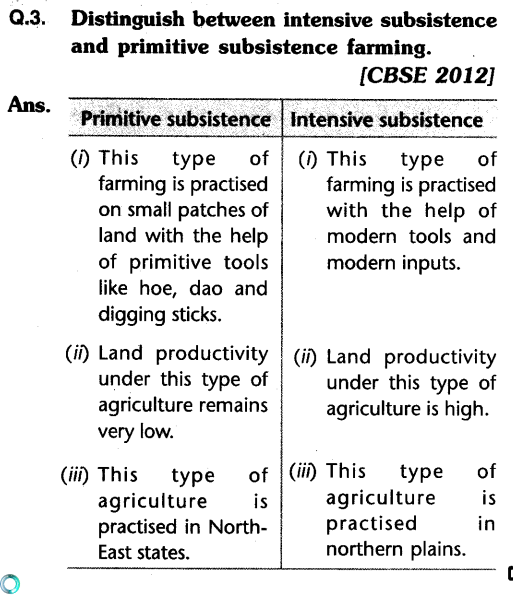
Moreover, the extensive use of technology and mechanization in agriculture has actually led to a decline in agricultural employment possibilities.Looking in advance, numerous promising methods for contemporary farming might address the obstacles faced today while fostering lasting development. commercial farming vs subsistence farming.Modern farming, defined by technological improvements, provides both obstacles and opportunities
Comments on “Neighborhood Resilience and Its Link to Commercial Farming vs Subsistence Farming”